Marketing Trends 2024: Top 5 Trends to Follow
As the wave of digitalization is reaching new heights, the virtual landscape is experiencing a transformation so profound that it is touching the grounds of incomprehensibility. In recent years, the marketing arena has witnessed a dramatic shift from traditional television strategies to the dynamic realms of virtually interactive worlds and virtual reality (VR). Anticipating the year 2024 promises an even more rapid evolution, similar to the swift rotations of a record changer, bringing forth novel trends that demand attention.
For a comprehensive understanding and effective strategizing in the upcoming year, here are the top 5 hottest trends one must be aware of:
1. Immersive Experiences Beyond VR
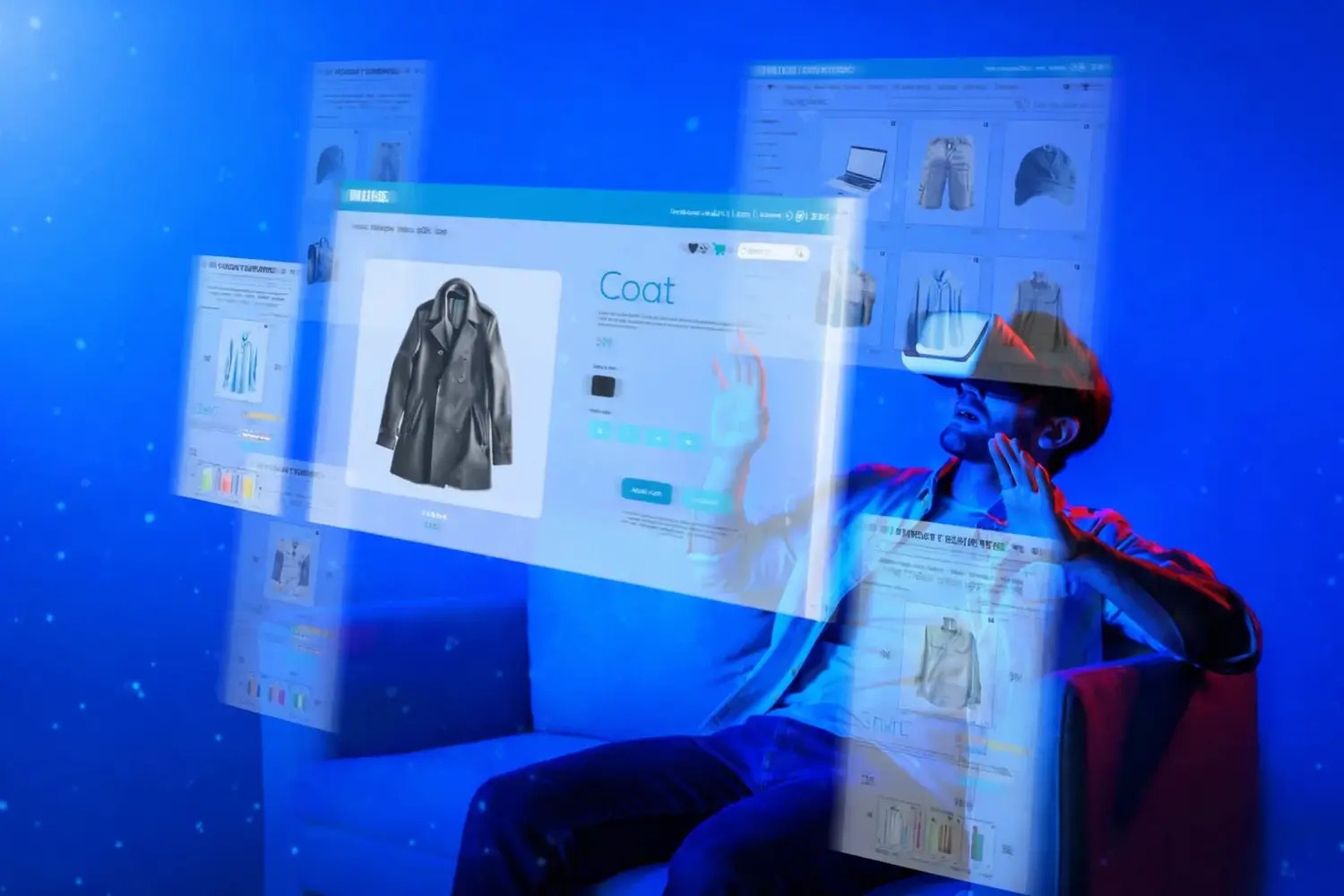
When we say the journey into immersive experiences is transcending the confines of virtual reality, it means we’re not just talking about VR anymore rather we’re looking at making all kinds of experiences, like playing games or shopping online, more lifelike and engaging. It’s like bringing a touch of that cool VR feeling into everything we do on the internet. While VR has paved the way for a more immersive digital experience, the future holds the promise of integrating augmented reality (AR) and mixed reality (MR) seamlessly into our daily lives. Businesses are expected to explore and leverage these technologies to create captivating experiences that blur the lines between the digital and physical worlds.
For those who are still unaware of these “technological” terms, here’s a simple explanation: Augmented Reality (AR) unlike VR, which immerses users in a completely virtual environment, overlays digital content onto the real world. This can be harnessed for various applications, from interactive advertising to enhancing the retail experience. Imagine trying out furniture in your living room through your smartphone or getting real-time information about products by simply pointing your device at them. This technique has been used by leading Paint companies, clothing brands and even accessories companies.
MR takes the integration of the digital and physical even further by allowing digital and physical objects to coexist and interact in real time. This opens up possibilities for dynamic and engaging experiences, especially in industries like education, healthcare, and manufacturing. A very interesting example is smart sunglasses. Suppose you’re wearing special glasses that let you see both the real world around you and some cool digital stuff at the same time. Mixed reality is like magic glasses that blend what’s there with awesome computer-generated things!
The shift towards these immersive technologies is driven by a desire to offer users experiences that go beyond passive consumption. Businesses that embrace these advancements will not only stay relevant but also set new standards for customer engagement in the digital era.
2. AI-Driven Personalization
Artificial Intelligence (AI) continues to be a driving force behind digital innovation, and in 2024, its role in personalizing user experiences will take center stage. As data becomes more abundant, businesses will leverage advanced AI algorithms to analyze vast datasets and derive actionable insights. The question is how will this be helpful?
The answer is that it would produce hyper-personalized content and recommendations that cater to individual preferences and behaviors. When a person steps into a real store, the most preferable thing he/she does is look for a salesman, tell them their need and requirements, and ask them to look for that particular thing. Now the satisfaction of the customer depends on how apt, smart and quick the salesman is. Similarly, personalized content would draw more customers to your business if you could satisfy them.
Predictive Analytics: AI-driven personalization extends beyond simple user preferences. Predictive analytics algorithms analyze user behavior patterns to anticipate future actions, enabling businesses to tailor their offerings in real-time. This anticipatory approach not only enhances user experience but also increases the effectiveness of marketing strategies.
Chatbots And Virtual Assistants: AI-powered chatbots and virtual assistants are becoming more sophisticated, providing personalized interactions and support. These tools use natural language processing and machine learning to understand user queries and deliver relevant information. Businesses can deploy chatbots to streamline customer service, provide personalized recommendations, and enhance overall user engagement.
According to research by Gartner, by 2028, brands will see their organic site traffic decrease by 50% or more as consumers embrace AI-powered search based on their online activity.
3. Metaverse Integration
The metaverse, once a speculative concept, is now becoming a tangible reality. In 2024, businesses are expected to actively pursue metaverse strategies, creating interconnected digital universes where users can seamlessly navigate and interact. The metaverse goes beyond a singular virtual space; it is an expansive network of interconnected virtual environments, combining elements of social interaction, gaming, commerce, and more.
The post-pandemic world has seen the rise of such events. Companies have sponsored virtual concerts with games of leading pop stars and groups which was an actual success for the companies, games as well as the stars as it drew millions of viewership.
Within the metaverse, virtual economies are emerging, complete with their currencies and marketplaces. Users can buy, sell, and trade virtual assets, blurring the lines between the digital and physical economy. This opens up new avenues for businesses to monetize digital goods and services within these virtual realms. Although this strikes up certain risks but the rewards are always worth the risks.
4. Sustainable Digital Practices
The digital revolution has brought undeniable benefits, but it has also raised concerns about its environmental impact. In response, 2024 is expected to witness a significant shift towards sustainable digital practices. From the infrastructure powering the digital world to the content and campaigns produced, businesses will prioritize sustainability in their digital strategies.
Carbon-Neutral Campaigns: Digital marketing campaigns will undergo a green transformation, with businesses striving to make their campaigns carbon-neutral. This involves measuring and offsetting the carbon emissions associated with digital advertising and other online activities.
Green Data Centres: In 2024, businesses will increasingly invest in green data centers that use renewable energy sources and employ energy-efficient technologies. Sustainability is not just a moral imperative but also a strategic necessity in the digital age.
5. Interactive Content Dominance
Static content is making way for interactive formats that actively engage users. From shoppable posts to interactive videos and polls, businesses will leverage these formats to capture and retain audience attention in an increasingly crowded digital space.
Interactive Videos And Gamification: Interactive videos allow users to make choices and shape the narrative, blending entertainment with participation. Gamification elements like quizzes and challenges help brands create memorable experiences.
Conclusion
In the rapidly evolving landscape of 2024, marketing is set to undergo a transformative journey fuelled by digitalization. Immersive experiences beyond virtual reality (VR), such as augmented reality (AR) and mixed reality (MR), are poised to redefine online interactions.
Artificial Intelligence (AI) takes a central role, driving personalized user experiences through predictive analytics and advanced chatbot interactions. Sustainability, the metaverse, and interactive content together provide a cohesive roadmap, guiding businesses towards not only staying relevant but thriving in an era defined by innovation and user-centric engagement.