How AI Is Redefining User Experience (UX) In 2026
Why AI Is Transforming User Experience (UX) in 2026
Things are getting bigger! So is the world of AI.
2026 is already experiencing a massive geopolitical shift, similar to AI. Now, user experience (UX) is no longer just about clean layouts, smooth navigation, or fast load times; it is also about serving expectations. The best digital experiences don’t wait for users to act; they think, learn, and adapt with them, just like machine learning. And this is where artificial intelligence comes into play.
With daily modest shifts, AI has quietly moved from being a backend optimizer to becoming the brain of modern digital experiences. From predicting what a user wants before they click to personalizing entire interfaces in real time, AI-powered UX is redefining how brands connect with people. This connection includes all—emotionally, functionally, and commercially.
At Yukti Digital, we understand how a brand must align with the hearts and minds of its customers, especially in the age of AI-powered search and experiences. We see this shift as a present-day reality and help businesses embrace AI in UX design to stay relevant.
Let’s see how AI is reshaping the world of UI/UX we know.
What “AI-Powered UX” Really Means
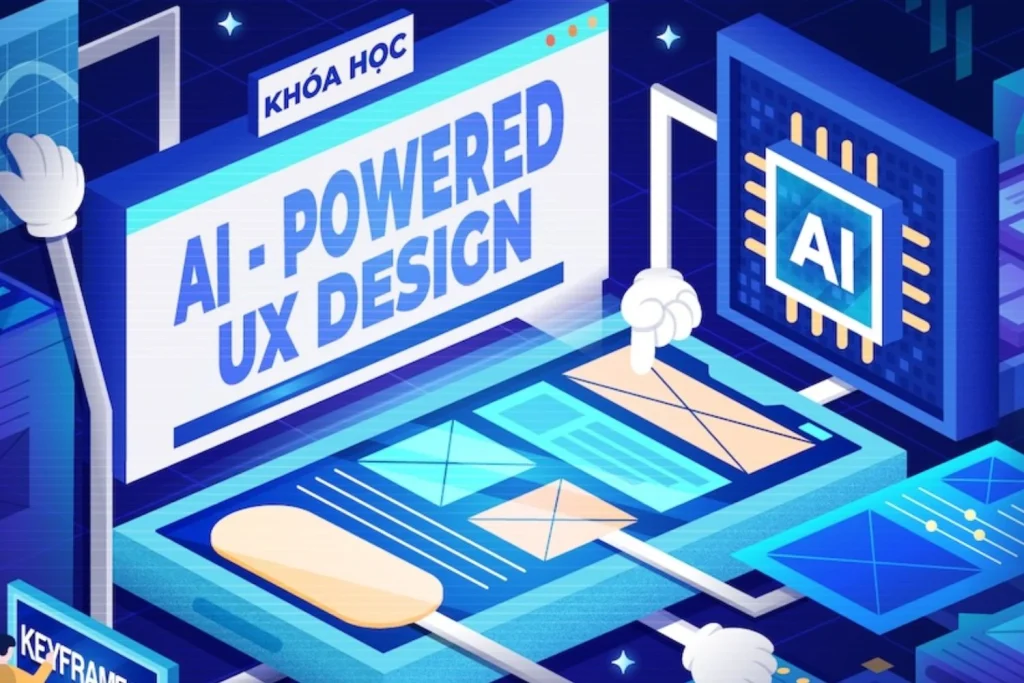
Let’s clear one common misconception first—AI-powered user experience does not mean replacing designers or human creativity. It means improving it.
AI in UX design combines the integration of machine learning, data modeling, and automation into user interactions to create better experiences. These experiences are more intuitive, adaptive, and human-like, collecting more attention from the users and increasing engagement rate and reducing bounce rate. Instead of designing a single static journey, designers now build systems that learn from user behavior and evolve.
In a nutshell, the traditional UX that we’ve known was all about reaction, but AI-driven UX predicts, improving our chances to elevate user experiences.
An AI-powered user experience understands patterns, such as:
- What users click
- Where they hesitate
- What they abandon
- What keeps them engaged
Over time, AI-powered UX design adjusts layouts, content, recommendations, and interactions accordingly.
It’s the difference between asking users what they want and knowing exactly what they need.
💡 Related Read: Use Of AI And Machine Learning For Next-Level Website Development
Personalization vs. Prediction In UX
Personalization has been a buzzword for years. It is not new at all!
But in 2026, personalization alone is no longer enough and is understood as an old game to gear up the UX. Therefore, traditional personalization needs to adapt experiences after the users’ inputs, such as
- Showing products based on past purchases
- Recommending content based on browsing history
- Customizing dashboards manually
- Being reactive
On the other hand, prediction offers a new-age UX advantage. Predictive models offer AI-driven UX design that helps brands shift from personalization to prediction. So, what exactly is the difference here?
Predictive UX uses AI models to:
- Anticipate user intent before actions occur
- Adjust interfaces dynamically
- Reduce decision fatigue
- Shorten the path to conversion
Let us give you some examples to understand the strength of predictive UX better:
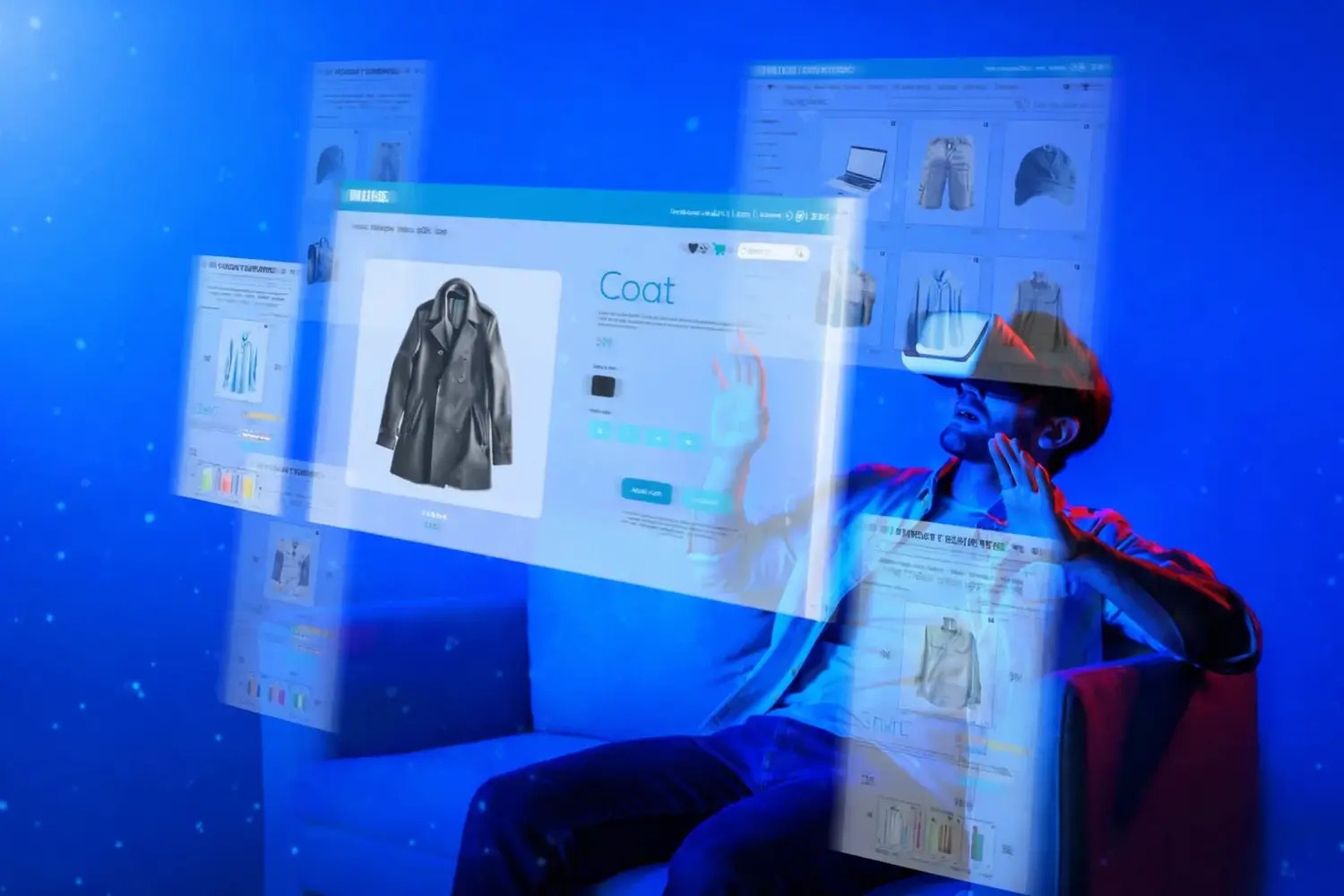
Imagine a SaaS dashboard that highlights the feature you’re most likely to need next, an e-commerce site that rearranges product listings based on real-time intent, or a mobile app that surfaces relevant actions at the exact moment a user is likely to act.
In short, prediction removes friction, the enemy of good UX.
AI Tools Shaping Immersive User Experiences
Several AI technologies are powering the future of UX design. Each plays a unique role in creating smarter, more immersive interactions, promising better ROI than before every time.
1. Natural Language Processing (NLP)
NLP enables systems to understand and respond to human language naturally. This is the engine behind:
- Conversational interfaces
- AI chat assistants
- Voice-based navigation
- Intelligent search experiences
Instead of forcing users to think like machines, NLP allows software to think like humans, bringing the best experience to the front.
2. Computer Vision (CV)
Computer vision combines visual intelligence into UX. It allows systems to interpret images, gestures, and visual cues. This plays a big role in creating engaging and interactive experiences for your users, especially in shopping, design, and mobile applications.
In short, with CV, platforms can:
- Recognize objects, faces, or gestures
- Allow visual search instead of typing
- Support features like image-based recommendations
This reduces effort for users and adds a visual, intuitive layer to the experience.
3. Predictive AI And Behavior Analysis
AI helps brands predict what their potential users might need before they even start searching. By analyzing patterns, AI can anticipate actions and remove extra work from the user journey. This predictive feature includes:
- Auto-filling forms intelligently
- Suggesting next steps in dashboards
- Adjusting layouts based on user habits
4. Recommendation Engines
They are one of the most common uses of AI in the world of UX, making immersive experiences possible. These engines study user behavior and comprehend what people click, watch, read, or buy, and use this data to suggest what can be useful next.
In short, these systems help by:
- Showing content or products users are likely to enjoy
- Reducing the time spent searching
- Making experiences feel personal rather than generic
When the recommendations appear right, that makes the users feel heard, and trust automatically builds up.
At Yukti Digital, we help businesses integrate these tools strategically and ensure AI enhances usability on your digital platforms.
Real-World Examples Of AI In UX
AI is unavoidable now!
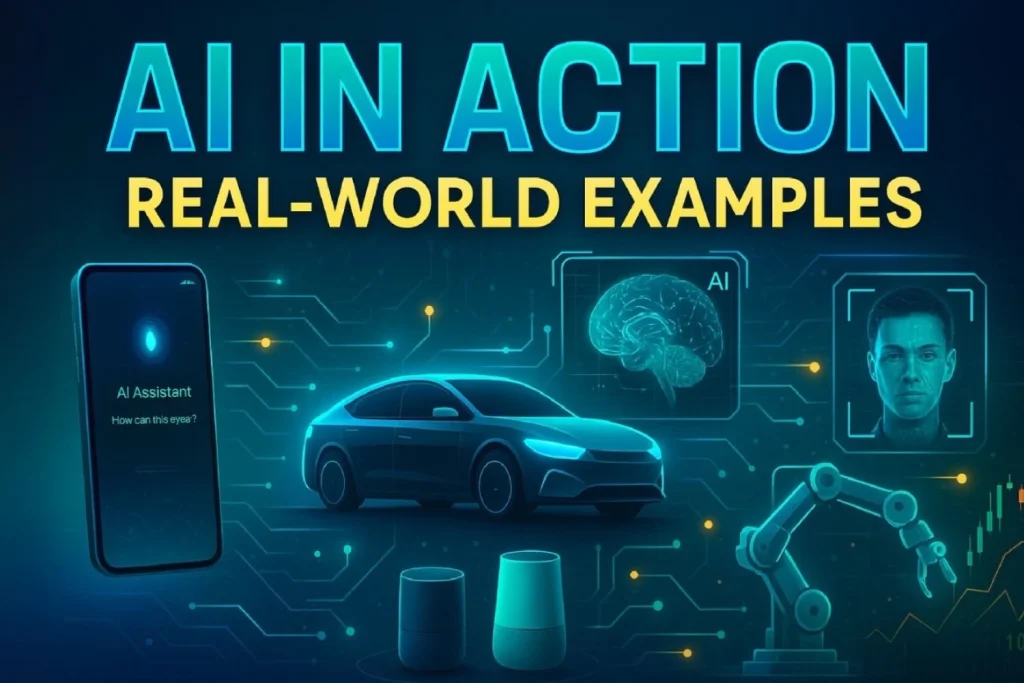
It has become a crucial part of our lives, and we often use it without even noticing it. In e-commerce, AI analyzes what users browse, like, or buy, and then suggests products or services that feel relevant to users’ thinking and requirements. This makes shopping faster and less overwhelming.
In SaaS platforms and dashboards, AI helps simplify complex data. Instead of forcing users to dig through numbers. One of the major examples is personalized dashboards in SaaS tools.
It highlights what matters the most and suggests next steps while adapting the interface based on user behavior. This reduces effort and improves decision-making.
Metrics That Matter In AI-Driven UX
As UX evolves, so must ‘how we measure success.’ AI UX trends in 2026 hold tightly to the fact that traditional vanity metrics no longer tell the full story.
In an AI-driven user experience world, what truly matters is how users feel, interact, and stay engaged with a product. AI helps track deeper signals that show whether users find real value in the experience.
Metrics that matter are:
- Engagement
- Retention
- Conversion
Engagement metrics reveal how actively users interact with features, content, products, or tools on a webpage or app.
Retention metrics show whether users return over time, in contrast to bounce rate, which indicates trust and satisfaction.
Conversion metrics measure how easily your users are reaching the goal or completing the transaction, such as signing up or making a purchase.
Key metrics to watch include:
The pivotal points that it monitors and adapts accordingly are
- User return rate
- Feature usage frequency
- Bounce rate
- Conversion and completion rates
At Yukti Digital, our professionals create AI-powered UX strategies to ensure the best design decisions, delivering measurable business outcomes.
The Human Side Of AI-Powered UX
The irony is that the more AI we add to UX, the more human experiences become.
AI works best when it is commanded by human professionals. Learning from user behavior, preferences, and feedback helps create experiences that connect with human emotions and patterns of taking actions.
The human side of AI-powered UX focuses on:
- Empathy-driven design decisions
- Transparency in AI actions
- User control and trust
- Ethical and inclusive experiences
This feels more natural, helpful, and personal.
A good AI-driven experience resonates with emotions, context, and choice.
Let our professionals handle the reign of AI to strengthen artificial intelligence in UX, making your users’ digital interactions smoother and more intuitive.
Future Of UX Design: Where We’re Headed
The future of UX design with AI is moving towards experiences that feel effortless, predictive, and, of course, personal. Looking ahead, several AI UX trends in 2026 come into the picture, such as
- Interfaces that adapt in real time
- Emotion-aware UX using sentiment analysis
- Voice-first and conversational journeys
- Hyper-contextual micro-interactions
- AI-assisted UX testing and optimization
With the emergence of AI in UX, expect more advanced behavior. Interfaces will rely less on clicks and more on intent, understanding what users need even before they ask.
So, what lies ahead?
- Smarter, intent-based user experiences
- More conversational and voice-driven interfaces
- Real-time personalization across platforms
- Stronger focus on ethics, trust, and transparency
UX design with AI increasingly focuses on relevance, human-centered experiences, and a smooth user journey. We help businesses adapt to AI-driven UX design and prevent the risk of becoming invisible, irrelevant, or frustrating to use. We combine AI in UX design, behavioral insights, and strategic creativity to build interfaces that don’t just look good—they feel right—more human.
💡 Related Read: How Website Usability And UI/UX Are The 2 Keys To Better Search Rankings
Final Thoughts
In 2026, the best digital products don’t ask users to adapt. They adapt to users.
So, ask yourself, “Is your brand ready to embrace AI-powered user experience?”
Catch up with our UI/UX professionals and explore the full potential of AI-driven UX design. Stay ahead of AI UX trends in 2026 with the right guidance from Yukti Digital and bring a deeply human approach to innovation.
Frequently Asked Questions (FAQs)
1. How is artificial intelligence reshaping user experience (UX) in 2026?
In 2026, AI is reshaping user experience by enabling digital interfaces to learn from user behavior, predict intent, and adapt in real time, creating smoother and more personalized interactions.
2. What does “AI-powered UX” actually mean for digital products?
AI-powered UX means using artificial intelligence to enhance digital products by analyzing user behavior, automating decisions, and continuously improving how users interact with interfaces.
3. Why is predictive UX becoming more important than traditional personalization?
Predictive UX is becoming more important because it anticipates user needs before actions occur, reduces friction, and helps users reach their goals faster with less effort.